
Explore the Commons & Ancient Geology
Plan your visit across 256 acres of protected woodland, sandstone outcrops, and walking trails open 365 days a year.
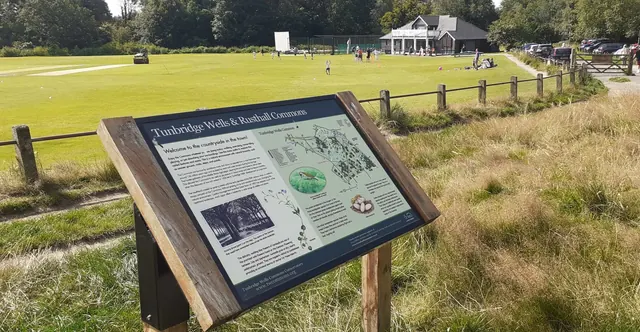
Landmarks, Trails & Key Points
Select a category filter or tap any point to discover ancient rocks, ponds, parking areas, and heritage routes across both commons.
Official Walking Trail Guides
Detailed maps featuring waymarked pathways, ancient veteran trees, geological formations, and historic sites. Free to download.
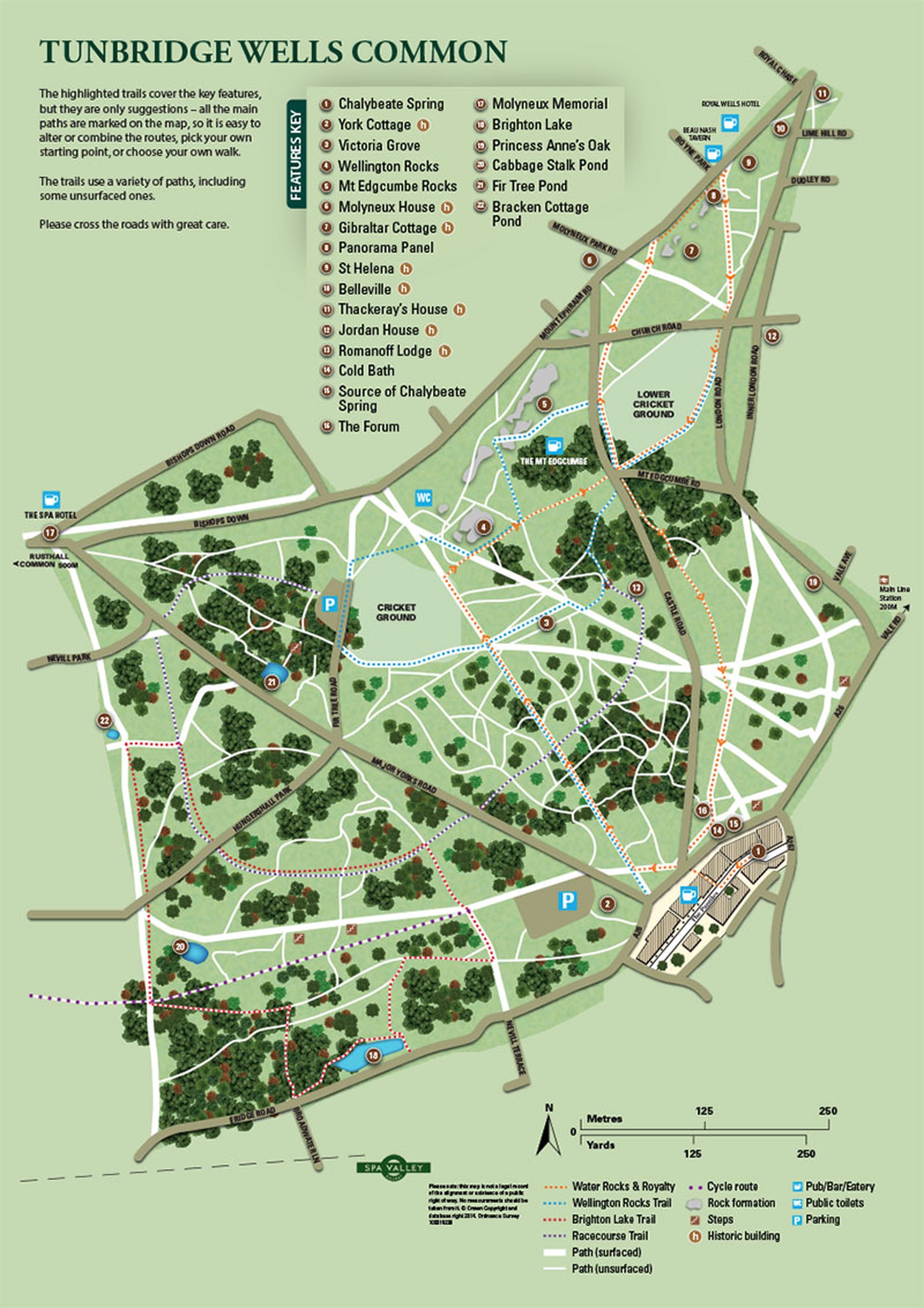
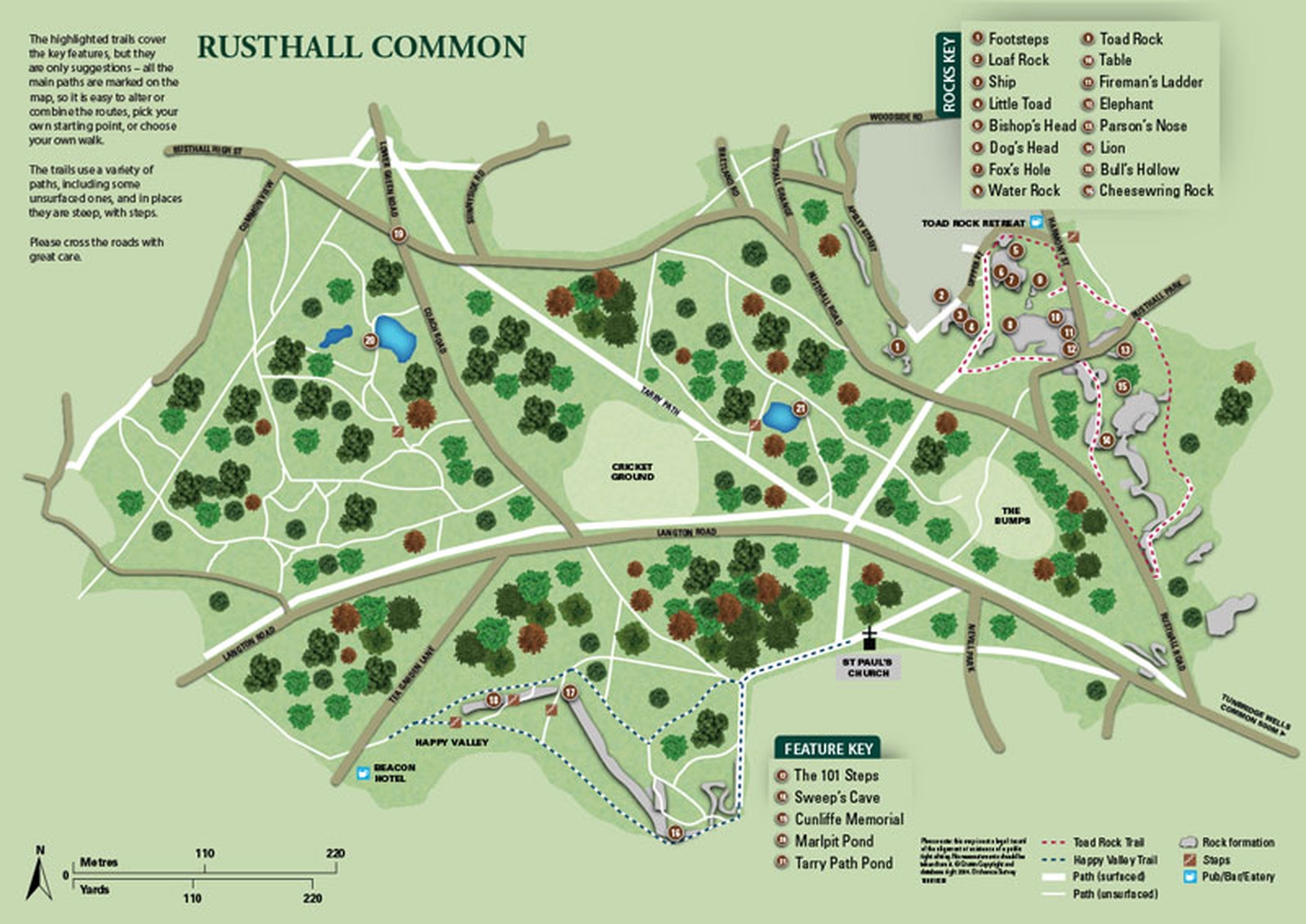
Landmarks of the Commons
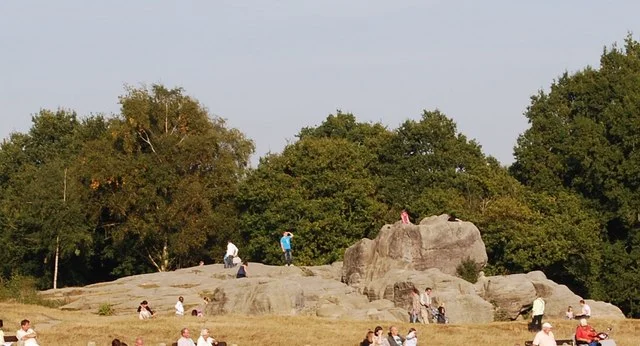
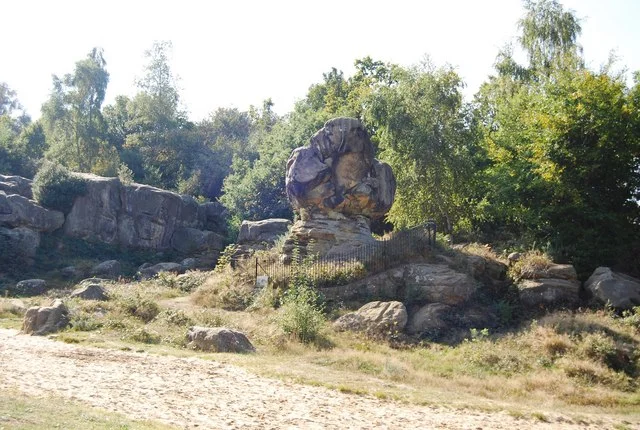
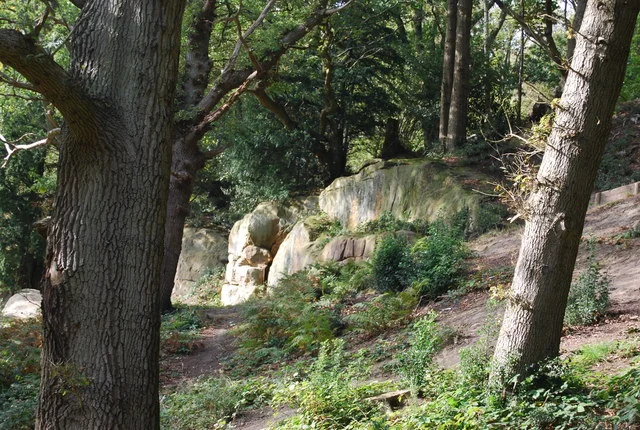
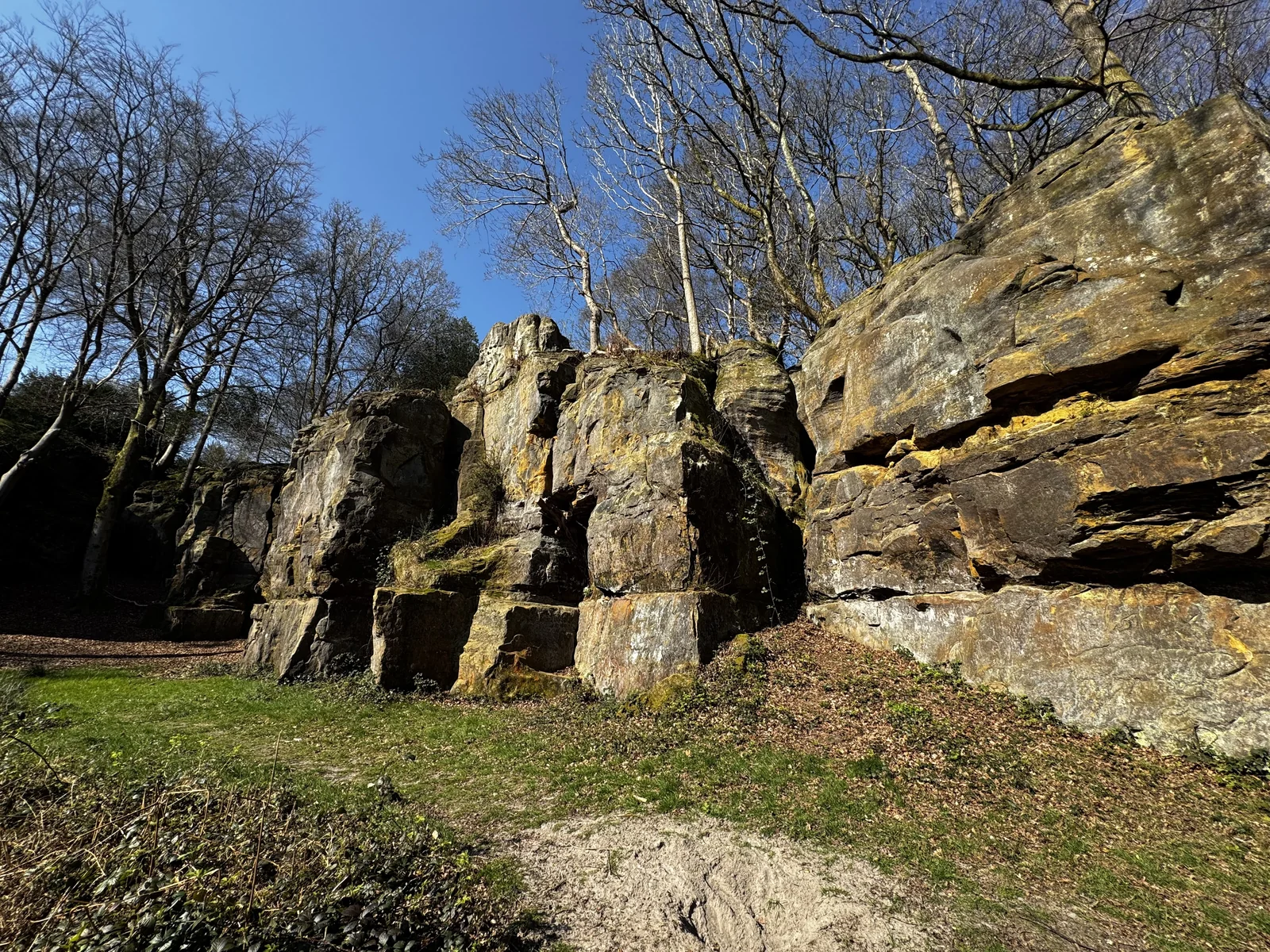
Ancient 135-million-year-old Ardingly sandstone outcrops, romantic ravines, and historic quarries shaped by nature and human history.
Family I-Spy Nature Discovery Sheets
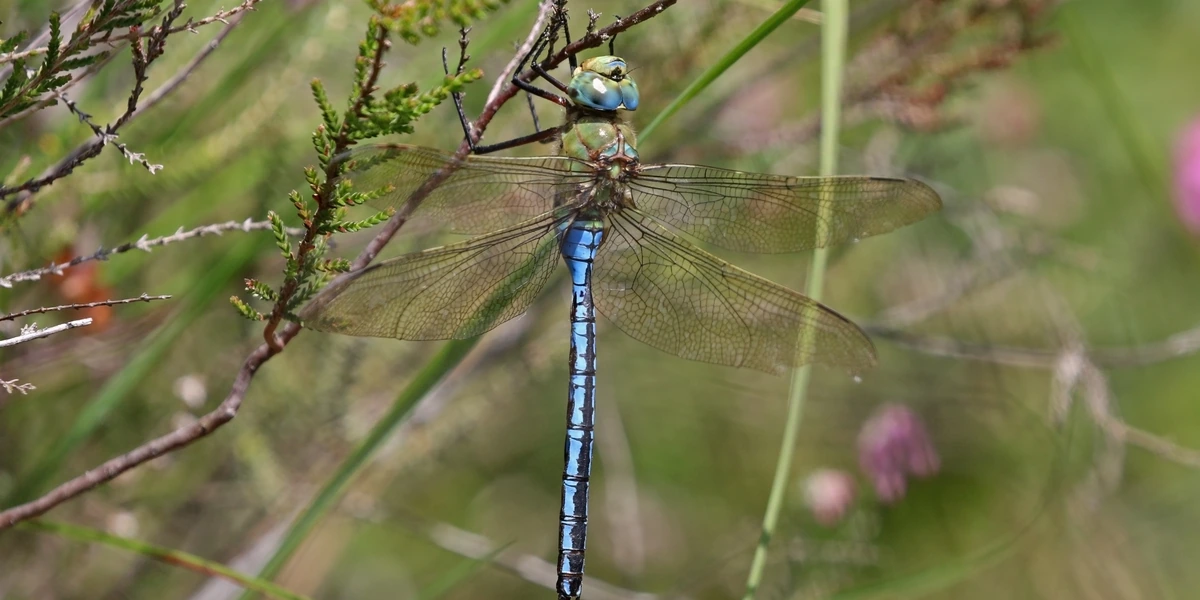
Open on your mobile or print at home to discover and tick off the wildlife, veteran trees, minibeasts, and pond life living across the Commons.



Practical Planning & Guidance
Everything you need for an enjoyable visit, from getting here and parking to accessibility notes and the Commons Code.
Getting Here & Free Parking
Rail connections, local buses, and parking locations
- By Train: Tunbridge Wells Mainline Station is a 5-minute walk (400m) via London Road, with regular direct 50-minute services from London Charing Cross, London Bridge, and Hastings.
- By Bus: Local bus services run between Tunbridge Wells station, the town centre and the Commons. Please check current routes and timetables with the operators or a journey planner before you travel.
- Fir Tree Road Car Park: Up to 4 hours of free parking in Fir Tree Road car park (TN4 8AH) on Tunbridge Wells Common, adjacent to the Higher Cricket Ground.
- Fairground Car Park (Upper Pantiles): Convenient charging surface car park off Major York’s Road near The Pantiles roundabout (TN4 8SR). RingGo / pay on foot.
- Rusthall Common Parking: Informal on-street parking along Coach Road and Upper Street bordering Toad Rock and the cricket ground. Please park considerately for residents.
- Town Centre Car Parks: Lower Pantiles Car Park (Linden Park Road, TN2 5TP) and Torrington Multi-Storey (Vale Road, TN1 1DJ).
- Heritage Steam Railway: The Spa Valley Railway operates heritage steam and diesel trains from Tunbridge Wells West Station bordering the commons directly to High Rocks and Groombridge.
Accessibility & Trail Terrain
Step-free paths, wheelchairs, buggies, and rocky steps
- Step-Free & Pushchair Routes: Surfaced tarmac and hard-packed gravel avenues along the Lower Common, Queen Victoria Grove, and Church Road provide flat, accessible routes for manual and powered wheelchairs.
- Happy Valley & Sandstone Steps: The sunken gorge of Happy Valley and trails around Wellington Rocks and Toad Rock feature historic stone staircases (the 101 Steps), exposed tree roots, and steep gradients. Sturdy walking shoes recommended.
- Resting Points: Traditional wooden benches are situated every 200–300 metres along primary avenues for resting and birdwatching.
- Public Restrooms & Facilities: Public convenience pavilions are located directly on the Common beside Wellington Rocks (Higher Cricket Ground) and at the lower colonnade of The Pantiles (near Union Square).
Dog Walking Guidelines
Off-lead access, wildlife protection, and litter bins
- Year-Round Access: Well-behaved dogs are welcome across all 256 acres of common land under reliable voice control.
- Wildlife Protection: Please keep dogs under close control around sensitive wildlife habitats, ponds, and wooded areas to prevent disturbance to local wildlife and reptiles.
- Pond Protection: Prevent dogs from swimming in Fir Tree Pond and the Marlpit to protect rare aquatic plants and breeding great crested newts.
- Waste Disposal: Over 30 litter bins across both Commons, suitable for dog waste. Please bag and bin all waste, or take it home.
The Commons Code & Byelaws
Preserving ancient geology, wildlife habitats, and public safety under the
1890 Act
- No Open Fires or Barbecues: Strictly prohibited across all seasons due to severe dry heathland and peat wildfire hazard.
- Leave No Trace: Please take all litter home to protect wildlife, birds, and grazing areas from plastics and glass.
- Cycling Regulations: Cycling is restricted to designated surfaced bridleways and perimeter roads to protect pedestrians and fragile turf.
- Sandstone Preservation: Our Ardingly Sandstone formations are 135 million years old. Scramble with care; never carve into or deface rock faces.